
When Equipment Fails at Midnight

Production problems rarely wait for business hours. A failed motor, tripped breaker, or dead control panel can stop a line in seconds. Every minute of downtime costs money and delays orders. Many facilities scramble because they lack an emergency plan. A little preparation changes that. Knowing what fast electrical help looks like keeps stress low and output steady. Here is how to prepare your facility for urgent equipment failures before they happen.

Preparing for Urgent Equipment Failures

Wondering who to call when a critical machine goes dark after hours? A dependable industrial electrician Charleston SC facilities trust answers quickly and gets production moving again. Here is how to prepare.

Build an Emergency Contact Plan

Speed starts with knowing who to call. Post emergency numbers near control rooms and share them with every shift supervisor. Confirm that your provider offers round the clock service and clear response times. Keep account details ready so dispatch moves fast. Assign one person to coordinate communication during an outage. This simple step removes confusion when tension runs high. A written plan turns panic into action and saves valuable minutes during every emergency.

Know Your Critical Equipment

Not every machine carries the same risk. Identify which systems stop production when they fail. Rank them by impact and keep basic documentation nearby. Schematics, panel labels, and past repair notes help technicians diagnose faster. Share this information with your provider ahead of time. Familiarity shortens repair visits and reduces guesswork. Facilities that map their critical equipment recover faster because everyone knows where to focus first. Preparation always beats improvisation during an outage.

Stock Common Spare Parts

Waiting days for a small part can prolong downtime. Keep spares for items that fail often, such as contactors, fuses, relays, and motor starters. Ask your electrician which components deserve a place on your shelf. Store parts in a labeled, organized location. Review inventory each quarter so nothing expires or goes missing. A modest investment in spares can prevent large losses. Technicians can finish repairs during a single visit instead of returning later.

Use Monitoring and Inspections

Many failures send warning signs first. Thermal imaging reveals hot connections before they burn out. Regular inspections catch loose terminals, worn insulation, and overloaded circuits. Monitoring systems can alert staff when readings drift outside normal ranges. Schedule these checks throughout the year, not only after problems appear. Early detection turns emergencies into planned repairs. Fewer surprises mean steadier production and lower repair bills over time.

Keep Safety First During Repairs

Urgent situations tempt people to rush. Resist that urge. Only trained electricians should open panels or work on live equipment. Follow lockout procedures every time. Keep staff clear of the work area and communicate status updates calmly. Careful repairs prevent injuries and avoid causing new damage. A safe process may feel slower, but it protects people and equipment. Skilled crews balance speed with discipline on every call.

Conclusion: Preparing for Urgent Equipment Failures

Electrical emergencies feel less scary with a plan. Build a contact list, identify critical equipment, and stock key spare parts. Add regular inspections and insist on safe repair practices. These habits shorten downtime and protect your team. Choose a provider who answers quickly and understands your facility. Prepare today, and the next unexpected failure becomes a manageable repair instead of a costly crisis. Your production schedule will thank you for planning ahead.

What Emergency Dental Care Really Costs

Few things create more worry than sudden tooth pain paired with an unknown bill. Many people put off urgent care because they fear the price. That delay usually makes the problem bigger and the final cost higher. Knowing what shapes the price removes much of that fear. It also helps you plan ahead and ask better questions. Preparation brings calm. Here is a clear look at what affects the cost of urgent dental treatment and how to manage it.

Understanding the Price of Urgent Care

Worried about surprise fees the moment pain strikes? Choosing an emergency dentist Raleigh NC patients trust means clear pricing conversations happen before any treatment begins. Knowing the main cost drivers puts you in control during a stressful moment. Here is what shapes the final bill.

The Type of Problem Matters

Different problems need different treatments, and price follows the work involved. A simple exam with an X-ray costs far less than a root canal or an extraction. Bonding a chipped tooth usually costs less than a crown. Infections may need medication or drainage first. Your dentist can explain each option and its price before starting. Ask for a written estimate. Clear numbers help you compare choices and avoid surprises. Most problems have more than one solution, so budget can guide the plan.

Insurance Can Reduce Your Share

Many dental plans cover emergency exams and X-rays at a higher rate than other services. Some also help with extractions or fillings. Coverage varies, so check your plan details before an emergency happens. Call the office and share your insurance information when you book. The staff can often verify benefits quickly. Ask questions freely. Knowing your deductible and yearly maximum prevents unpleasant surprises at checkout. If you lack insurance, tell the team early so they can discuss options that fit.

Payment Plans Ease the Burden

A large bill feels less scary when you can spread it out. Many practices offer payment plans or third-party financing with low or no interest for qualified patients. Ask about these options before treatment starts. Some offices also accept health savings accounts and flexible spending accounts. Using pretax dollars can lower your true cost. Never skip care because of price alone. Untreated infections grow worse and can turn a modest expense into a major one.

Delay Often Raises the Total

Waiting rarely saves money. A small cavity that becomes an infected tooth may need a root canal and a crown instead of a quick filling. A cracked tooth left alone can split beyond repair. Emergency care may cost more than a routine visit, yet it often costs less than the complications that follow. Acting fast protects your health and your wallet. Call as soon as symptoms appear, even if the pain seems manageable. Early treatment usually keeps options open.

Conclusion: Understanding the Price of Urgent Care

Emergency dental costs depend on the problem, your coverage, and how quickly you seek care. Ask for estimates, check your insurance, and explore payment plans before treatment. Do not let fear of the bill keep you from getting help. Delays usually lead to bigger problems and higher expenses. Save your dentist’s number now so you can act fast when pain strikes. Take action today. A little preparation brings real confidence, protects your smile, and keeps your budget on track.

Designing a Bathroom That Ages Well

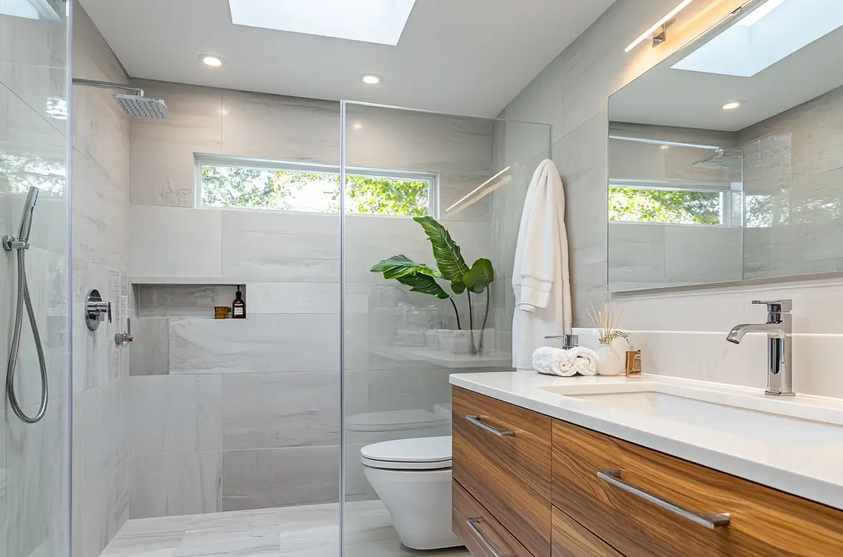
A bathroom sees heavy use every single day. Steam, splashes, and constant traffic wear down finishes faster than almost any other room. Many homeowners choose trendy styles and regret it within a few years. A better approach focuses on lasting quality and thoughtful design. Smart choices today keep the room fresh, comfortable, and valuable for a long time. Here is how to plan a space that stays beautiful and works well for years.

Planning a Space Built to Last

Tired of a bathroom that already looks worn out? A thoughtful bathroom remodel Woodstock GA homeowners choose starts with lasting materials and smart design choices. Here is how to plan it right.

Choose Waterproof Foundations

Moisture causes most bathroom damage, so protection starts behind the walls. Quality waterproofing membranes keep water out of framing and subfloors. Cement backer board holds up far better than standard drywall in wet areas. Sloped shower floors drain properly and prevent standing water. These hidden layers rarely get attention, yet they decide how long the room lasts. Skipping them often leads to rot, mold, and expensive repairs. Strong foundations protect every finish placed above them for years.

Select Timeless Finishes

Trends fade quickly, but classic finishes stay appealing. Neutral tile, simple fixtures, and natural stone patterns suit nearly every home style. Porcelain tile resists stains and moisture with very little upkeep. Brushed nickel and matte black hardware hold up well against daily use. Add personality through towels, art, and paint, which cost little to change later. This approach keeps the room current without another full renovation. Timeless choices also appeal to future buyers when the home eventually sells.

Plan Smart Ventilation

Poor airflow traps humidity and invites mold on walls and ceilings. A quiet, properly sized exhaust fan removes moist air quickly. Choose a model with a humidity sensor or timer so it runs long enough after showers. Vent it directly outdoors, never into the attic. Good ventilation protects paint, grout, and cabinetry. It also keeps the room smelling fresh. This modest upgrade prevents problems that ruin otherwise beautiful remodels. Small details often deliver the biggest long-term benefits.

Add Comfort and Function

Great bathrooms feel good to use every day. Heated floors warm cold mornings, while dimmable lighting sets a relaxing tone. Comfort height toilets and wide walkways help people of all ages. Grab bar backing installed inside the walls allows easy future upgrades. Plenty of outlets and well-placed shelves keep daily routines simple. Thinking ahead about how you live makes the room more enjoyable. Comfortable design also supports aging in place, which adds lasting value to your home.

Hire Skilled Professionals

Even the best materials fail without careful installation. Experienced crews handle waterproofing, tile layout, and plumbing details correctly. Ask about past projects and request references before signing anything. Get a written estimate that lists materials, labor, and timelines. A contractor who communicates clearly usually delivers smoother results. Cutting corners on labor often costs more later through repairs. Choosing skilled help protects your investment and gives you confidence in every finished detail.

Conclusion: Planning a Space Built to Last

A lasting bathroom begins with waterproof foundations, timeless finishes, and proper ventilation. Comfort features and skilled installation complete the picture. These choices protect your investment and keep the room looking fresh for years. Avoid chasing trends and focus on quality that endures. Plan carefully, ask questions, and choose a team that values craftsmanship. With the right approach, your remodeled bathroom will serve your household comfortably and hold its value long after the work is finished.